Motion skills turn into income fastest through small, practical work: social content for small businesses, portfolio or case study pieces for other freelancers, and mockup or product presentation work. None of this requires years of specialized training — most paid motion work is clean and simple, not complex broadcast-quality animation. Building a small portfolio of 4–6 solid pieces is usually enough to start pitching for paid work.
Start With What You Already Know How to Make
The most common mistake is waiting to feel like an “expert” before offering motion work to anyone. In practice, most paid motion work isn’t complex broadcast-quality animation — it’s small, practical pieces: a looping product shot for an online store, an animated logo intro, a short promotional clip for a social post, a mockup video showing an app in use. If you can already make things like that well, you already have something sellable.
The Most Accessible Entry Points
Social media content for small businesses — Many small businesses want more dynamic content for their social pages but don’t have anyone in-house who can make it. Offering short, templated motion pieces (product showcases, promotional loops, simple animated announcements) is one of the most approachable ways to start getting paid work, since the deliverables are small and turnaround is fast.
Portfolio and case study pieces for other freelancers or agencies — Designers and marketers who don’t do motion themselves often need someone to turn a finished design into a polished animated presentation. This is a natural fit if you already have design or presentation instincts but not necessarily deep animation training.
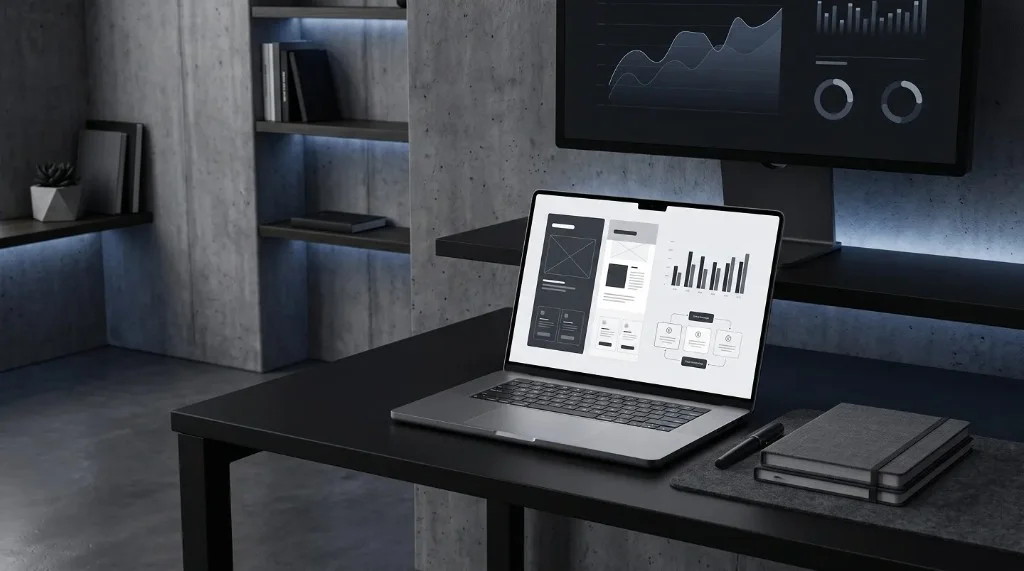
Mockup and product presentation work — E-commerce sellers, app developers, and product designers frequently need clean, professional mockups (static or animated) to showcase what they’ve built. This kind of work tends to be repeatable — once you have a good process, similar projects go faster each time.
You Don’t Need to Compete on Complexity
A common misconception is that paid motion work requires competing with high-end studio animation. In reality, a huge amount of paid demand is for clean, simple, well-executed motion — not elaborate 3D animation or complex character work. Clients are often far more interested in something that looks polished and communicates clearly than something technically impressive but overproduced. This is good news for anyone starting out: consistency and clean execution matter more than raw complexity.
Build a Portfolio Before You Need One
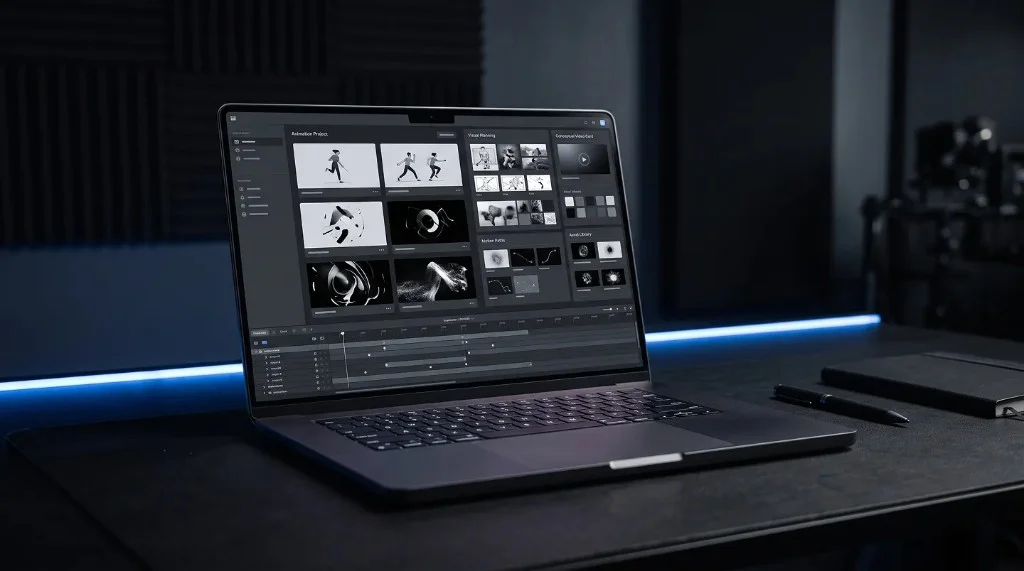
The easiest way to get early paid work is to already have a few solid examples to show, even if they were made for practice or personal projects rather than a real client. A short reel of 4–6 well-made motion pieces — a mix of product mockups, social content, and simple animated transitions — gives potential clients something concrete to evaluate, rather than asking them to imagine what you’re capable of based on a description alone.
Pricing Realistically as You Start
Early on, it’s more valuable to build a track record and a portfolio of real client work than to hold out for premium rates. As your speed, consistency, and portfolio grow, pricing naturally moves up, because you’re no longer selling “someone learning” — you’re selling a proven, repeatable process.
Consistency Matters More Than Mastering Complex Animation
Turning motion skills into income is less about mastering complex animation and more about consistently delivering clean, useful pieces that solve a real presentation problem for someone. Frametion is built to make that repeatable process fast: drop your images into a ready-made motion template, preview it live, and export polished video or mockups in minutes, so you can spend more time finding clients and less time rebuilding animations from scratch.
Frequently Asked Questions
Do I need years of training to get paid motion work?
No. Most paid demand is for clean, simple, well-executed motion, not elaborate animation, so a solid grasp of the basics is usually enough to start.
What’s the easiest type of paid motion work to find first?
Social media content for small businesses tends to be the most accessible starting point, since deliverables are small and turnaround is fast.
How big should my portfolio be before pitching clients?
A short reel of four to six well-made pieces is usually enough to give potential clients something concrete to evaluate.