Motion design pricing works best as project-based rates tied to the value delivered, not hourly billing tied to time spent. Charging too little leads to burnout, while charging too much without clear scope makes clients hesitate. Defining revisions upfront and pricing based on outcomes, not just effort, solves most of the friction on both sides.
Why Pricing Motion Design Work Feels Hard
Unlike a physical product, motion design doesn’t have an obvious price tag. A ten-second animation might take two hours or twenty, depending on complexity, revisions, and the tools involved. This uncertainty is exactly why so many creators either underprice their work out of fear of losing clients, or avoid quoting altogether.
The fix isn’t finding a single “correct” number. It’s building a pricing approach that accounts for your time, your tools, and the value the final video brings to the client.
Hourly vs Project-Based Pricing
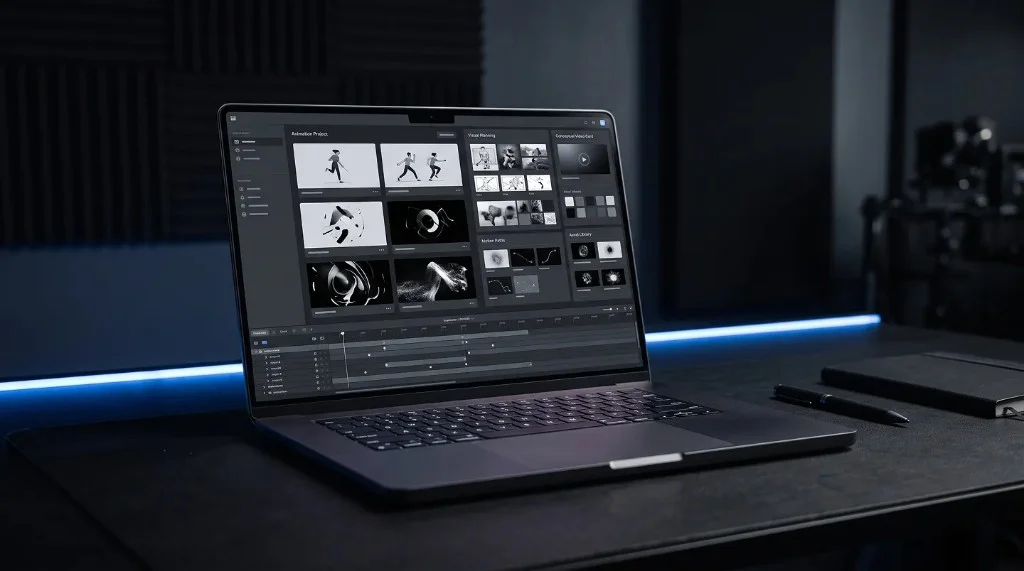
Hourly pricing feels safe at first, since you’re always paid for the time you put in. But it also punishes efficiency. If you get faster with tools that speed up production, like using Frametion to quickly turn designs into polished motion videos, hourly pricing means you actually earn less for the same result.
Project-based pricing flips this. You quote a flat rate for the deliverable, regardless of how long it takes you personally. This rewards skill and efficient workflows, and it gives clients a clear number upfront instead of an open-ended estimate.
Factoring In Revisions and Scope
One of the most common pricing mistakes is forgetting to account for revisions. Always define upfront how many rounds of changes are included in your quote, and what happens if the client wants more. This protects your time and sets clear expectations before the project starts.
Scope creep is the other silent profit killer. A “quick logo animation” can quietly turn into a full explainer video if the scope isn’t written down clearly from the start.
Pricing by Value, Not Just Time
A 15-second motion video for a client’s Instagram ad campaign might take you an hour, but if it helps that client generate real sales, its value is far higher than the hour spent making it. Pricing based purely on time ignores this.
When quoting, think about what the video is actually doing for the client: attracting new customers, presenting a product professionally, or making an app look more trustworthy in the app store. Clients are usually willing to pay more when they understand the outcome, not just the deliverable.
Quick Pricing Tips
- Set a minimum project rate so small requests don’t eat into your time for less than it’s worth.
- Bundle mockups and motion videos together as a package rather than pricing each separately.
- Offer tiered packages (basic, standard, premium) so clients can choose based on budget.
- Reassess your rates every few months as your skills and speed improve.
Faster Workflows Support Better Pricing
The faster you can deliver quality work, the more projects you can take on without raising your rates unfairly high. Tools like Frametion help by turning static designs into motion-ready content quickly, so you can offer competitive pricing without sacrificing your time or your profit margin.
There’s No Universal Formula, But There’s a Better Starting Point
There’s no universal formula for pricing motion design work, but starting with clear scope, value-based thinking, and efficient tools puts you in a much stronger position. Try Frametion to speed up your workflow and make your pricing work harder for you.
Frequently Asked Questions
Should I charge hourly or per project for motion design?
Project-based pricing is usually better, since it rewards efficiency and gives clients a clear number upfront instead of an open-ended estimate.
How many revisions should I include in a quote?
Define a fixed number, such as two rounds, upfront. This protects your time and prevents scope creep from eating into your profit.
How do I know if I’m charging enough?
If you’re consistently busy and clients rarely negotiate, you may be underpricing. Reassess your rates every few months as your speed and skills improve.