Standing out on social media comes from posting differently, not posting more. The accounts that consistently get noticed use motion to catch attention, keep a recognizable visual style, show their process instead of only finished results, and design content that loops and paces well for the platform it’s on. None of this requires a big production budget — it mostly requires intentional, repeatable choices.
Movement Catches Attention Before Words Do
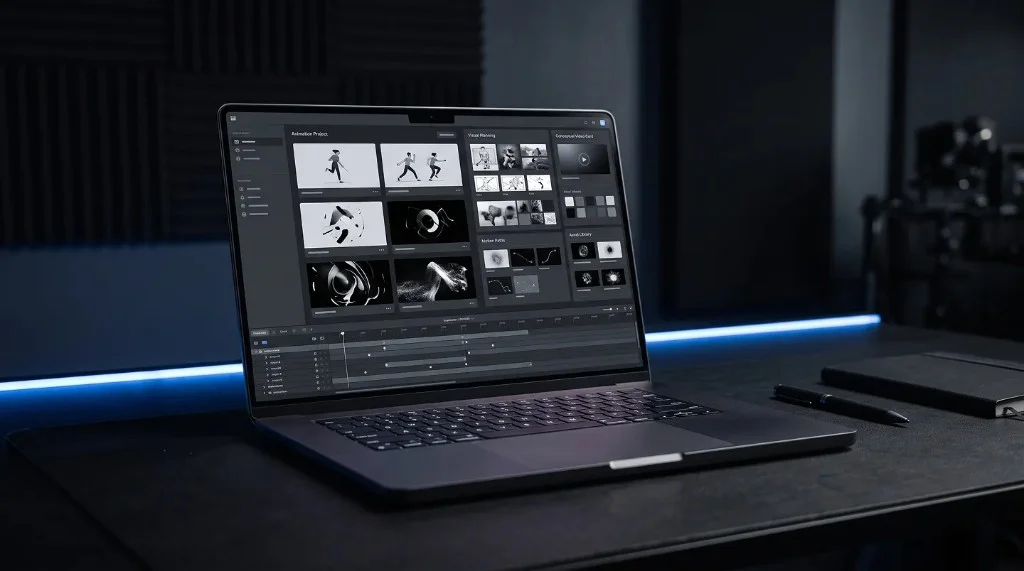
On a fast-scrolling feed, people decide whether to stop within a fraction of a second — long before they’ve read a single word. Movement is one of the strongest visual cues for grabbing that initial attention, which is why accounts that lean on motion (even simple motion, like a looping product shot or an animated transition) tend to interrupt the scroll more effectively than a static image alone.
This doesn’t mean every post needs to be a full animation. Even small motion touches — a subtle zoom, a looping element, a transition between two states — can be enough to make someone pause.
Consistency Builds Recognition
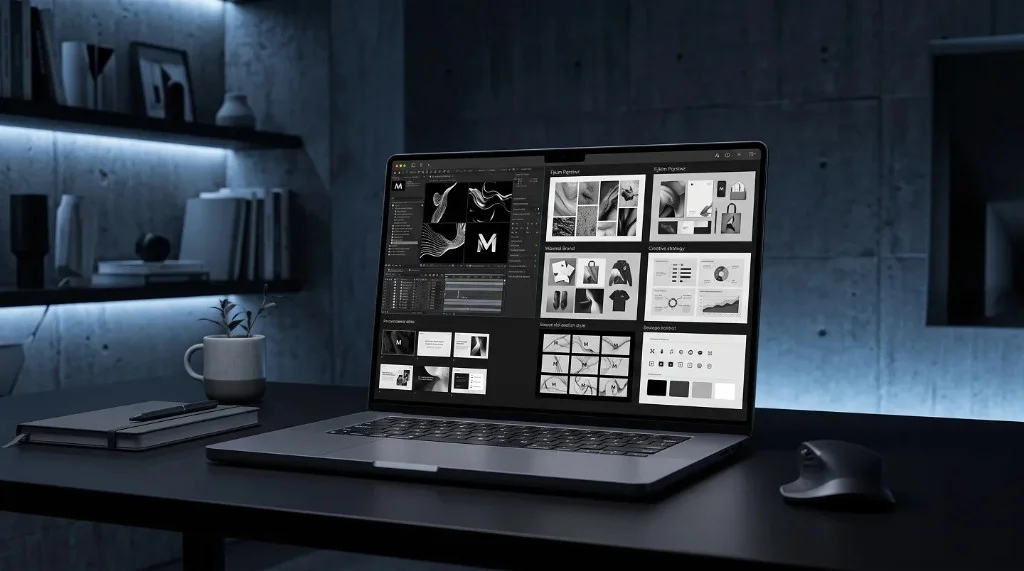
Standing out isn’t just about one great post; it’s about being recognizable across many posts. A consistent visual style — the same color palette, the same type of framing, the same pacing — trains an audience to recognize your content before they even see your name. Over time, that recognition compounds: people start associating a certain “look” with your account specifically.
This is one of the reasons templates and repeatable formats work so well for growth. They’re not a shortcut around creativity — they’re a way of building a visual signature that an audience learns to recognize.
Show the Work, Not Just the Result
A finished product is nice to look at, but it doesn’t always tell a story. Content that shows how something was made — the process, the before-and-after, the transformation — tends to hold attention longer than a single polished result, because it gives the viewer something to follow.
For anyone creating design, product, or app content, this might mean showing a mockup coming together, a screen transitioning between states, or a side-by-side comparison rather than just the final static shot.
Loop Content Intentionally
On most platforms, content plays on autoplay and often loops automatically. A post that loops seamlessly — where the last frame connects invisibly back into the first — keeps people watching longer without them consciously noticing why. A post that “snaps” or jumps at the loop point breaks that flow and gives the viewer a natural moment to scroll away.
Designing content with the loop in mind from the start, rather than as an afterthought, is a small technical detail that has an outsized effect on watch time.
Post for the Format You’re On
What stands out on one platform doesn’t always stand out on another. A slower, more detailed piece might work well somewhere people expect to spend more time, while a fast, punchy loop works better somewhere designed for rapid scrolling. Adapting pacing, length, and framing to where the content will actually be seen matters more than trying to make one version that works everywhere.
It Comes Down to Small, Deliberate Choices
Standing out on social media rarely comes down to one big trick. It’s usually a combination of small, deliberate choices — using motion to catch attention, staying visually consistent, showing process instead of only results, and designing content that loops and paces well for the platform it lives on. None of this requires expensive production; it mostly requires intentionality.
A Faster Way to Produce This Content Consistently
If you’re building content like this regularly, having a fast way to turn static designs into polished, loopable motion makes a real difference — especially when you’re posting often and don’t have hours to spend per piece. Frametion lets you drop images into ready-made motion templates and export seamless video loops or high-quality mockups directly from your browser, no animation experience required.
Frequently Asked Questions
What’s the single biggest factor in standing out on social media?
Movement. Motion naturally interrupts a fast-scrolling feed more effectively than a static image, even when the movement is subtle.
Does a seamless loop really make a difference?
Yes. A post that loops without a visible jump keeps people watching longer, which most platforms reward with more reach.
Should I use the same content style on every platform?
No. Pacing and length that work on one platform don’t always work on another — adapt framing and speed to where the content will actually be seen.